This summer, Project ALS had the privilege of joining the Her ALS Story (HAS) community on Cape Cod for its annual Warrior Weekend retreat.
It was a special opportunity to spend time with this remarkable group of young women living with ALS, their families, and caregivers, and to experience firsthand the community HAS has built.
But we were also there for a very special mission.
In collaboration with HAS, Massachusetts General Hospital (MGH), and Project ALS-funded researchers Drs. Lani Wu and Steven Altschuler at University of California San Francisco, women attending the retreat volunteered to contribute skin biopsies and blood samples to help researchers answer some of the most challenging questions in ALS.
A Collaboration Inspired by Leah
The project grew out of conversations with HAS founder Leah Stavenhagen.
Diagnosed with ALS at just 27, Leah founded Her ALS Story to connect young women living with the disease, challenge perceptions of who gets ALS, and ensure their voices were represented in advocacy and research.
In November 2025, Leah attended the annual Project ALS Therapeutics Core retreat, where researchers from across the country gather to discuss emerging discoveries and promising therapeutic strategies. She shared her experience living with ALS and reminded researchers of the importance of keeping people affected by the disease at the center of their work.
While there, Leah connected with Drs. Wu and Altschuler, whose team is using machine learning approaches originally developed in precision oncology to better understand the biological diversity of ALS. By studying fibroblasts, cells grown from small skin samples, they are investigating whether some people currently classified as sporadic ALS share biological similarities with known genetic forms of the disease, potentially opening the door to more targeted treatments.
Their research had already shown promise, but they faced an important challenge: younger people with ALS were significantly underrepresented in their collection of samples. Without broader representation, researchers risked overlooking potentially important biological patterns.
Leah immediately recognized the opportunity. Together, they began planning a fibroblast collection initiative that would bring young women living with ALS directly into this research, beginning at the 2026 HAS retreat.
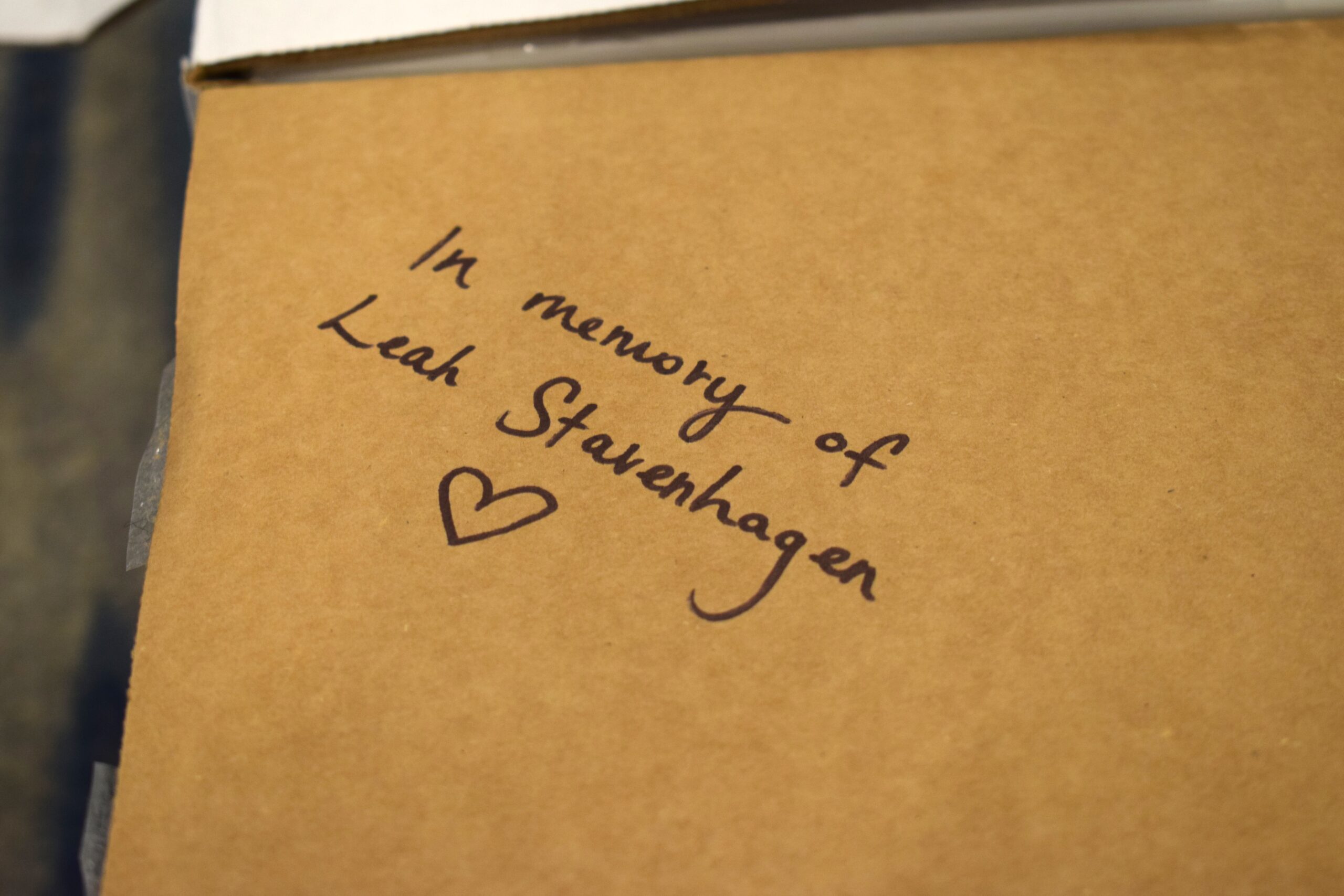
Devastatingly, Leah passed away from complications of ALS in February 2026. Project ALS and its partners were determined to carry the initiative forward in her honor.
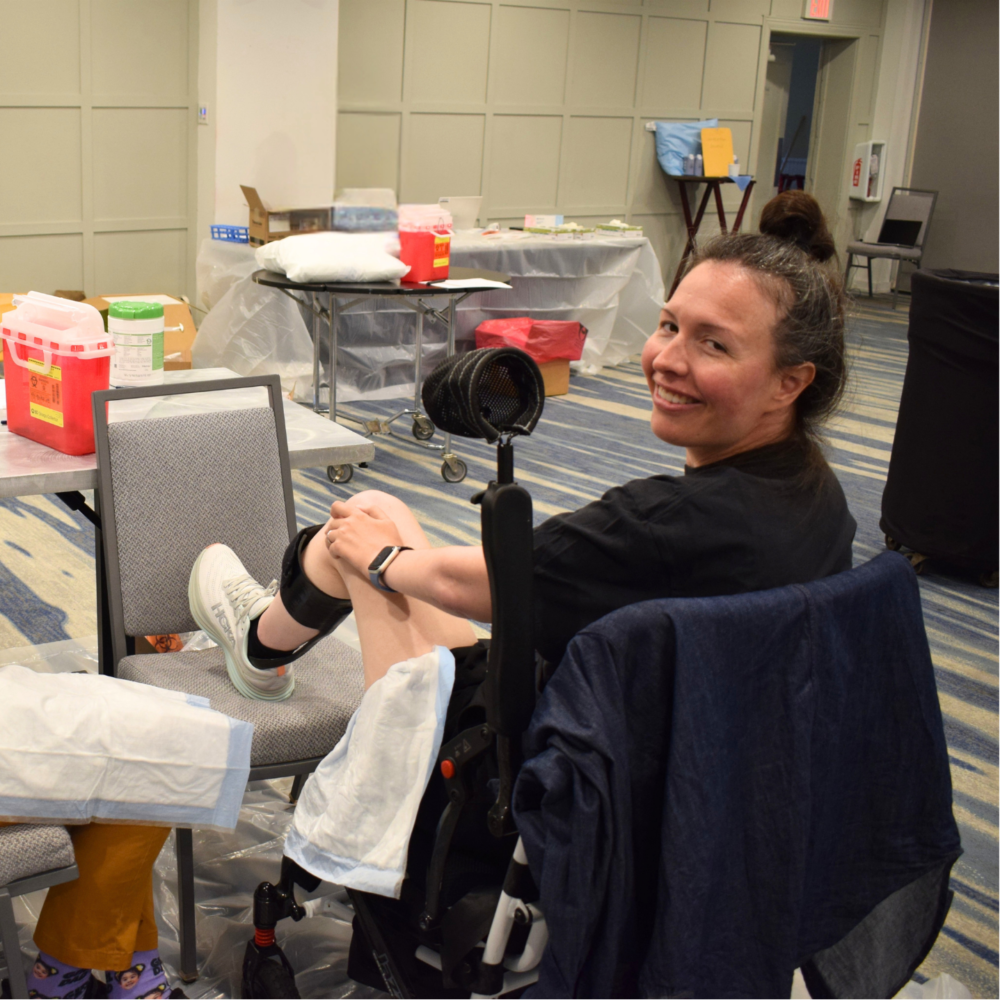
At the Cape Cod retreat, MGH provided the clinical expertise and infrastructure to collect skin biopsies and accompanying blood samples. The response was extraordinary: 27 women volunteered to contribute samples, which were shipped overnight to UCSF for processing by the Wu and Altschuler team.
What Can Young People With ALS Teach Us?
ALS can affect adults at any age, but most people are diagnosed later in life. Studying people who develop ALS in their 20s, 30s, or 40s may reveal shared biological characteristics that offer important clues about the disease.
This is particularly relevant to sporadic ALS, which accounts for approximately 90% of cases and has no clear inherited genetic cause. Rather than assuming all sporadic ALS is biologically the same, Wu and Altschuler are using advanced imaging, mathematics, and machine learning to analyze thousands of cellular features and identify patterns.
By expanding their collection to include more young people with ALS, the researchers hope to uncover biological similarities and differences that might otherwise go undetected. These findings could help identify distinct subtypes of ALS, reveal new disease mechanisms, and point toward more precise therapeutic approaches.
Ultimately, the implications could bring researchers closer to a future in which treatments are matched to the underlying biology of each person's disease.
Carrying Leah's Work Forward
Leah created Her ALS Story because young women with ALS were too often missing from the conversation. Through this collaboration, the community she built is helping shape research.
The Cape Cod collection is just the beginning. Project ALS hopes to expand this initiative to include more people living with ALS, building a meaningful research resource that researchers can learn from for years to come.
We are deeply grateful to Her ALS Story, our partners at MGH, Drs. Wu and Altschuler and their team at UCSF, and, above all, the 27 women who generously contributed samples.
Their participation is a powerful continuation of Leah's vision to have people living with ALS not only represented in research, but active partners in changing the course of the disease.