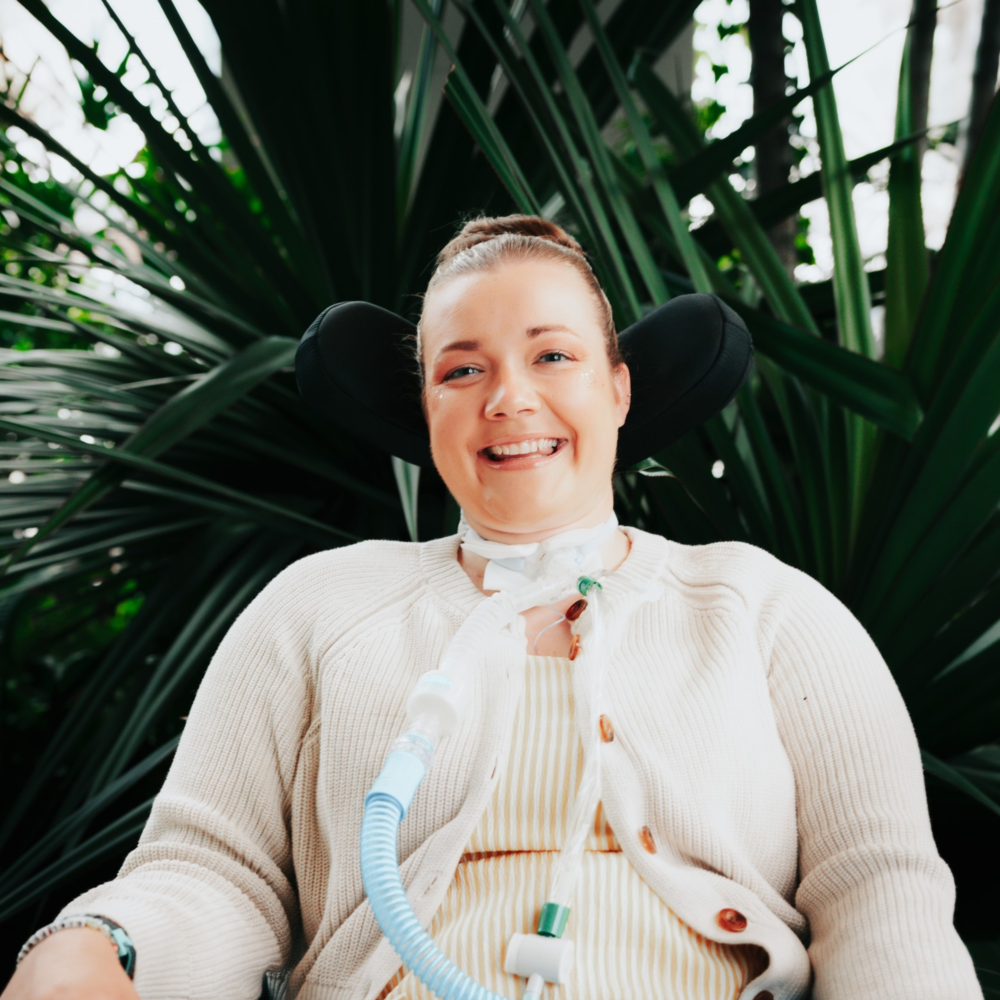

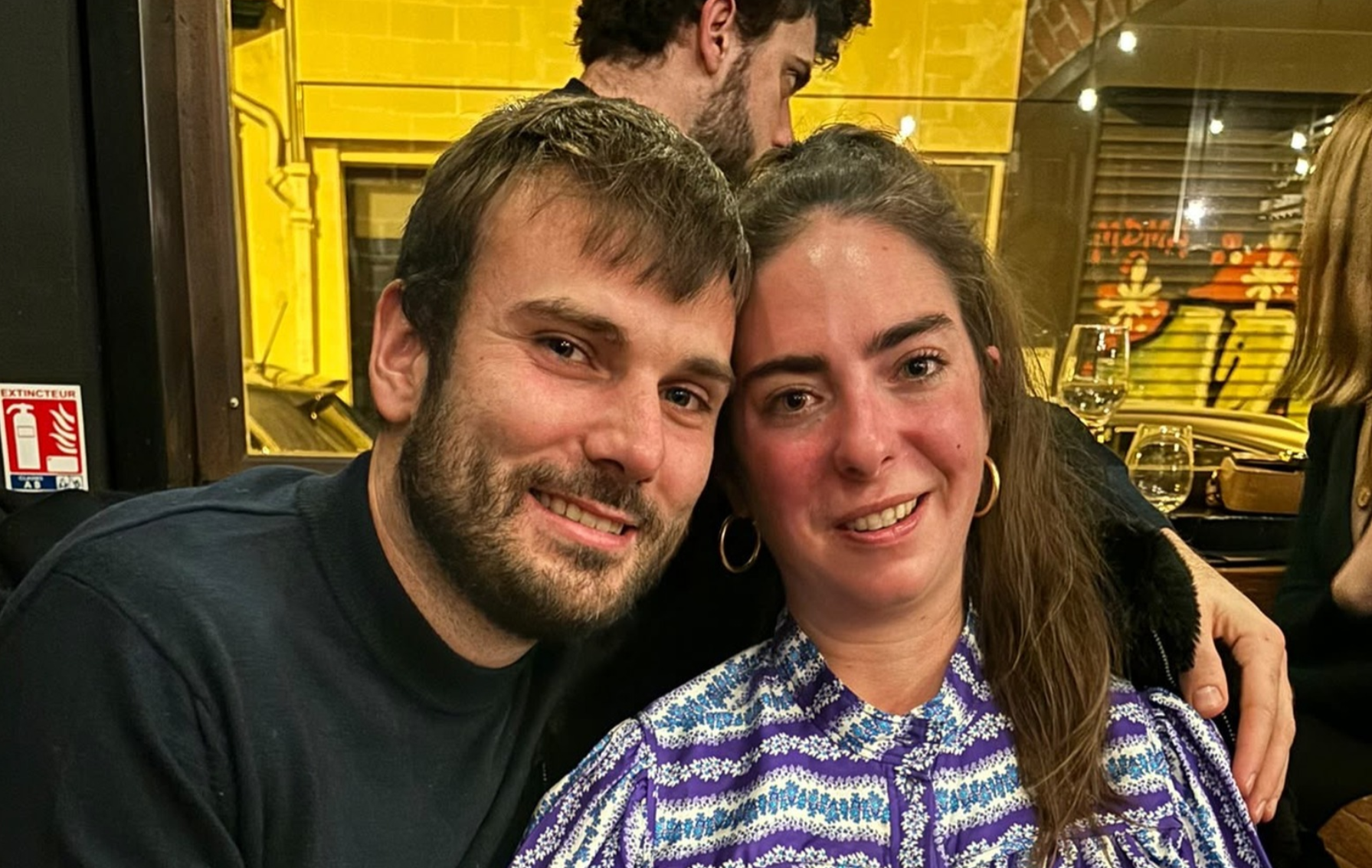
Hugo Taubmann and his wife, Leah Stavenhagen, were building a life together when Leah was diagnosed with ALS at just 26 years old.
For several years, they faced the disease together. Even as it changed what their future would look like. Leah passed away on February 20, 2026, and Hugo carries her memory into the work she cared so deeply about. His role in ALS research is rooted in his love for her and his determination to carry forward what she started.
This holiday season, we sat down with Hugo to learn more about his role in ALS research.
What is your role in the Project ALS family?
My connection to Project ALS started through Leah. Throughout her journey with ALS, Project ALS was an important source of support, guidance, and hope for both of us. I saw firsthand the difference the organization makes for people living with ALS and their families. Today, I hope to give something back by staying involved, sharing our experience, and helping support the organization’s mission.
How do your efforts bring us closer to a cure?
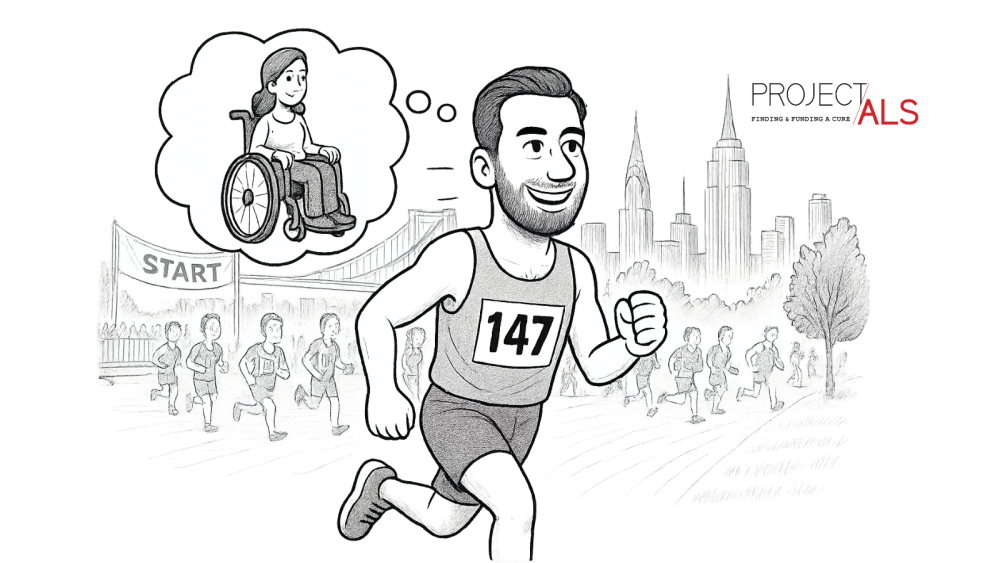
I believe sharing our experiences and raising awareness are important ways to contribute. I want to keep Leah’s legacy alive, particularly through Her ALS Story, the initiative she founded in 2021 that connected more than 100 young women living with ALS. In April 2026, I also ran the Paris Marathon in her memory to raise awareness. My goal is to turn our experience into something meaningful that can help others and support the organizations working toward a cure.
Why is Project ALS important to you?
Project ALS is important to me because I experienced firsthand the impact of its work during one of the most difficult periods of our lives. ALS affects not only the person diagnosed but everyone around them. Having organizations that support patients and families while investing in research is essential. Ultimately, I want to help ensure that future generations don’t have to experience what Leah went through. Finding a cure is not just a scientific ambition; it’s deeply personal.
What gives you hope about the future of ALS research?
The dedication of researchers, organizations like Project ALS, and the ALS community gives me hope. I’m encouraged by advances in our understanding of ALS, particularly in genetics and neuroscience. There is still a long way to go, but I believe progress is possible. Leah always believed in the importance of research and the possibility of change.
“I want to carry that belief forward, for her and for everyone who deserves the chance to dance again”
Hugo Taubmann