
2026 Holiday Headlines
A Letter
from Project ALS
At Project ALS, we believe that progress happens when brilliant minds come together, challenge conventional thinking, and pursue ideas that others might consider impossible. But advancing ALS research takes more than researchers alone. Everyone has a role to play.
In 2026, the Project ALS Therapeutics Core (the Core) made exciting strides toward a future without ALS, thanks to the dedication of our researchers, the generosity of our supporters, and the contributions of people living with ALS, their families and communities.
As we look to 2027, we're building on this momentum, advancing promising treatments toward clinical trials and developing powerful new tools to accelerate ALS research.
Whatever your role in the Project ALS family, you are making progress possible. Thank you for your generosity, your belief in our mission, and the many ways you contribute to moving ALS research forward.
The future of ALS research is taking shape, and we all have a role in making it possible.
Let's keep moving forward, together.
With gratitude,
Team Project ALS
It's in the Skin
Core analysis of skin biopsies reveals new treatment options for sporadic ALS
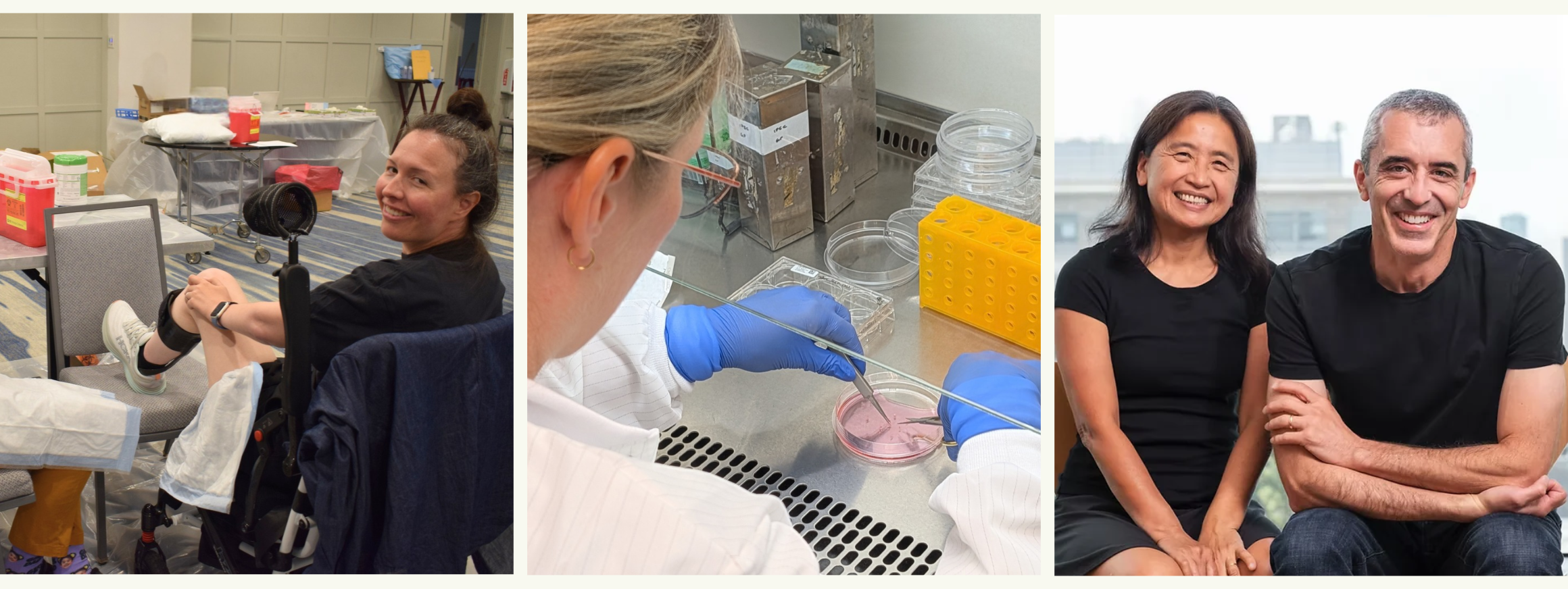
From Left: Skin Biopsy at Her ALS Story Retreat; Skin Sample Processing at the Lab; Drs. Lani Wu & Steven Altschuler
One of the greatest mysteries of ALS is why the disease behaves so differently from one person to another. Some people experience rapid progression, while others live with ALS for years. Some have known genetic mutations, while approximately 90% have no identifiable family history of the disease.
What if the answers to these differences could be found in something as simple as a skin sample?
At the University of California, San Francisco, Core researchers Lani Wu, PhD and Steven Altschuler, PhD are using cutting-edge imaging technology and machine learning to study fibroblasts—ordinary cells collected through a small skin biopsy.
By analyzing thousands of features in these cells, their technology identifies subtle biological patterns invisible to the human eye. Remarkably, fibroblasts from people with different genetic forms of ALS can display distinct patterns, suggesting that skin cells carry clues about the disease.
Here’s where things get exciting: some people with sporadic ALS appear to share biological signatures with people who have known genetic forms of the disease.
Why this matters? If researchers can identify people with similar underlying disease biology, they may eventually be able to match people living with ALS with treatments designed to target those specific biological pathways.
But to fully unlock this potential, researchers need more samples.
This year, Project ALS partnered with leading ALS clinics, including Massachusetts General Hospital and UCSF, to collect the skin biopsies needed to advance this research. At a September retreat in Cape Cod, 26 women from Her ALS Story also contributed samples, helping bring the total number of additional samples collected to more than 70.
Along with samples from partner clinics, we are building a clearer picture of ALS, and moving closer to a future where treatment decisions are guided by each person's unique disease biology.
What's next in 2027? We will expand the analytics platform, and work to identify people living with sporadic ALS who may benefit from an existing gene therapy.
Kleinerpaullone: A Next Generation ALS Drug?
Over ten years in the making, a hopeful new therapy emerges from the Core
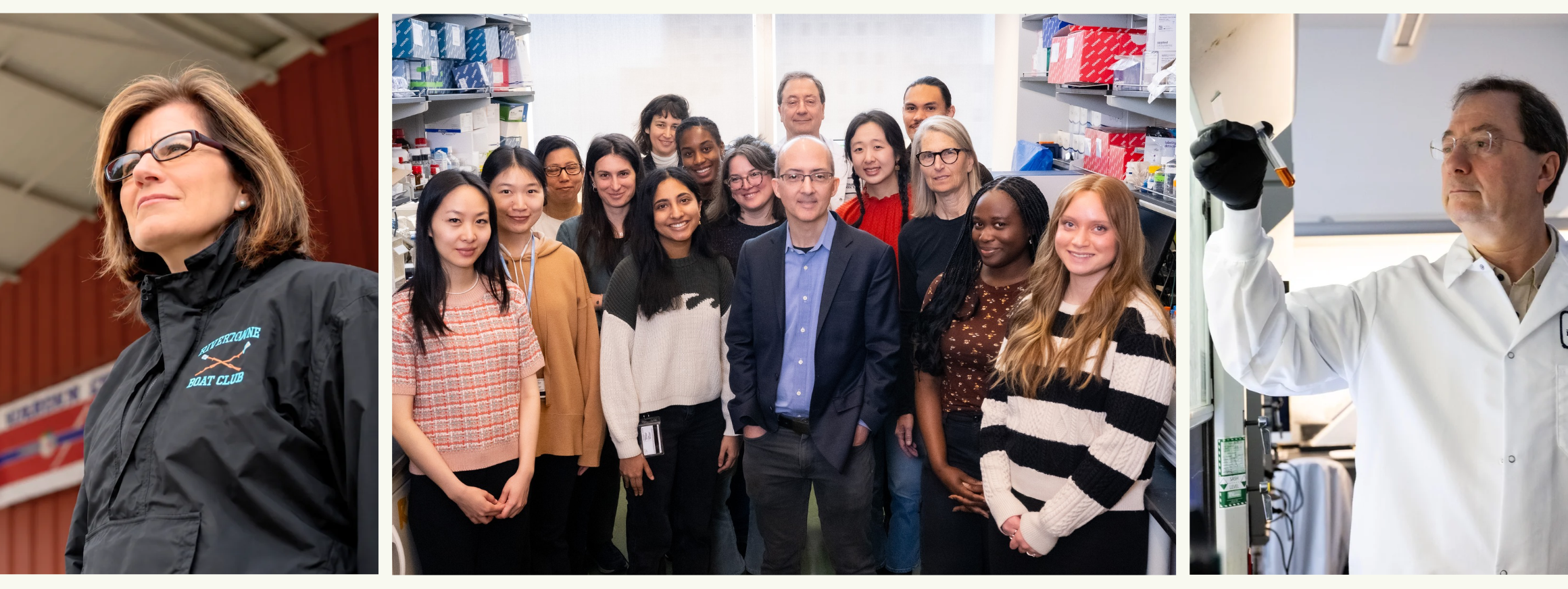
Carol Kleiner, namesake of kleinerpaullone; the Stockwell lab at Columbia University; Dr. Arie Zask
More than a decade ago, Harvard researcher Lee Rubin, PhD made a surprising discovery. While screening thousands of chemical compounds for their ability to protect ALS motor neurons, one molecule stood out: kenpaullone.
Originally investigated in cancer research, kenpaullone showed great promise in helping motor neurons survive. There was just one problem: the drug wasn’t suitable for human use.
Kenpaullone had poor solubility and other chemical properties that made it unsafe as a potential therapy. So, while this was a promising discovery in the lab, it could not be given to people.
Project ALS saw an opportunity.
Through the Core, we assembled a collaborative, world-class team of chemists, biologists, and drug development experts to redesign and improve the molecule, generating a growing family of compounds called paullones.
In 2026, that effort reached an exciting new stage.
Our researchers at Columbia University have now developed more than 125 compounds across nine generations, systematically improving their ability to dissolve, reach the brain, and interact with biological targets implicated in ALS.
The team has also dramatically expanded its testing capabilities, evaluating more than 100 compounds in two different human motor neuron models.
These promising candidates that act on two important groups of enzymes, MAP4K and GSK3, have demonstrated an ability to prevent the abnormal accumulation of TDP-43—found in 97% of ALS—in stressed motor neurons.
Now, the team is narrowing the field to a handful of leading candidates for expanded efficacy, manufacturing, and safety studies.
After years of collaboration and refinement, Core researchers are on the cusp of selecting a drug candidate for clinical development.
The next chapter? We'll scale up manufacturing and finalize safety testing, with the goal of identifying an industry partner ready to take this promising compound to the clinic.
The Core Asks. AI Answers.
Early diagnosis and the first effects of hopeful drugs detectable with new discovery platform
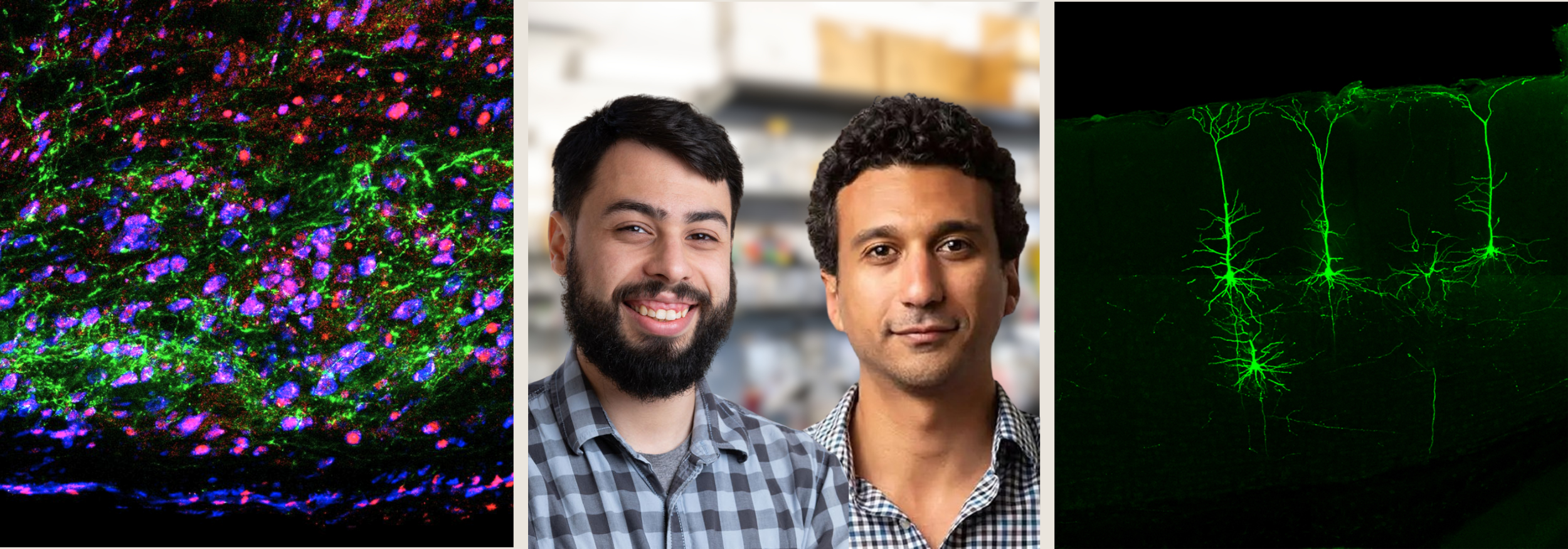
Drs. Talmo Pereira & Eiman Azim; behavior monitoring systems; microscopy image of neurons
ALS is a disease of movement. As motor neurons deteriorate, muscles gradually lose their ability to function. But measuring movement, and understanding subtle changes that occur as ALS progresses, is surprisingly difficult.
Traditional measurements capture only a fraction of behavior. Some of the earliest signs of disease—or that a potential treatment is working— may be too subtle for researchers or clinicians to detect through conventional observation.
What if artificial intelligence could see what humans cannot?
At the Salk Institute, Core researchers Eiman Azim, PhD and Talmo Pereira, PhD have developed sophisticated AI-powered tools to capture and analyze movement with extraordinary precision.
Using video cameras and deep learning technology, scientists can track an animal's body position and movements without attaching physical markers. The system transforms ordinary video into detailed information to analyze behavior, and identify patterns and changes that would otherwise go unnoticed.
This creates an exciting opportunity.
By comparing movement patterns before and after an experimental treatment, scientists may be able to detect subtle improvements, or signs of deterioration, that traditional tests miss.
These tools provide a more sensitive and objective way to evaluate potential treatments, helping researchers and drug developers make more informed decisions about which compounds deserve further investigation.
The promise of this technology is significant. Better measurements could mean better experiments, more efficient drug development, and, ultimately, faster progress toward treatments.
Looking ahead to 2027? Test the effects of ALS drugs more precisely, increase the size of the monitoring system, and design a prototype that could be used in the clinic.
Beyond the Headlines
A glimpse at additional projects happening at the Core
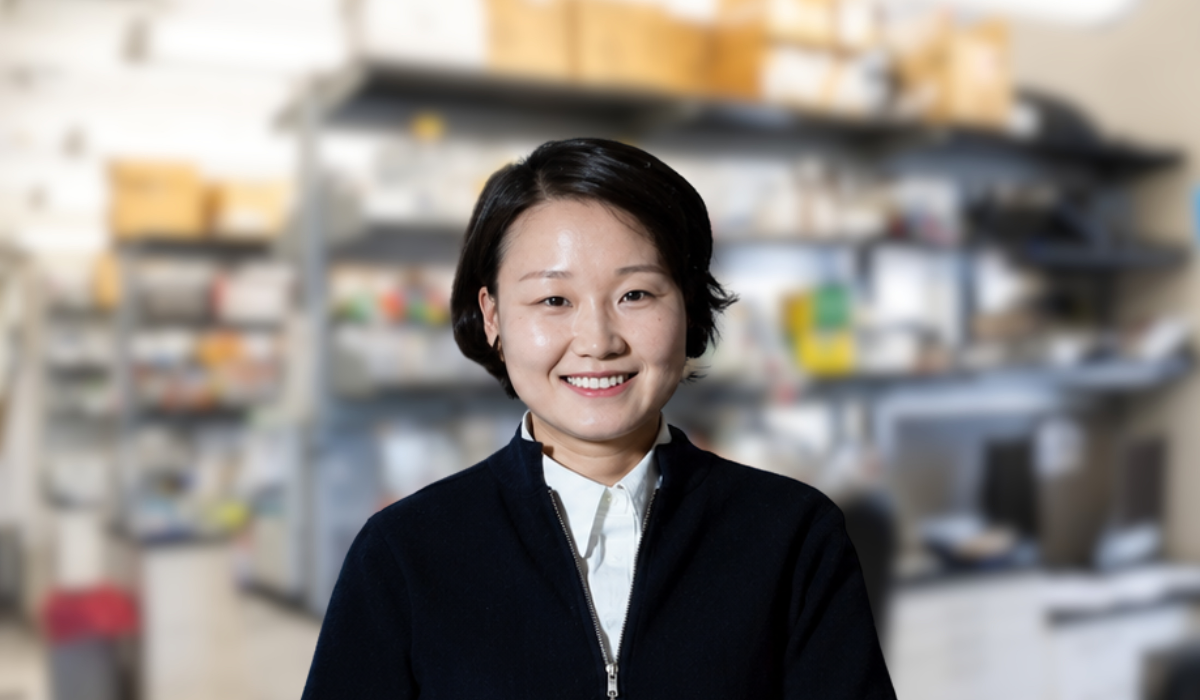
Hachung Chung, PhD
Columbia University
Examining the role of innate immune response and double stranded RNAs in ALS
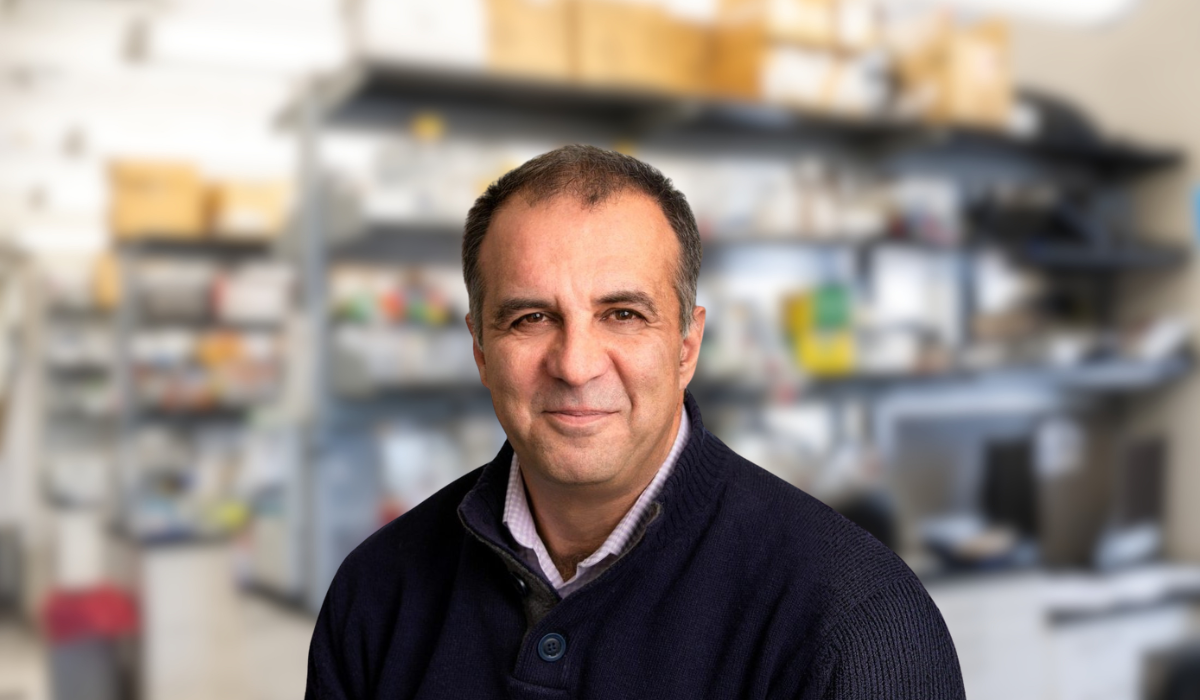
George Mentis, PhD
Columbia University
Prodromal alterations in physiology and gene expression in the motor neuron subpopulations most vulnerable to ALS
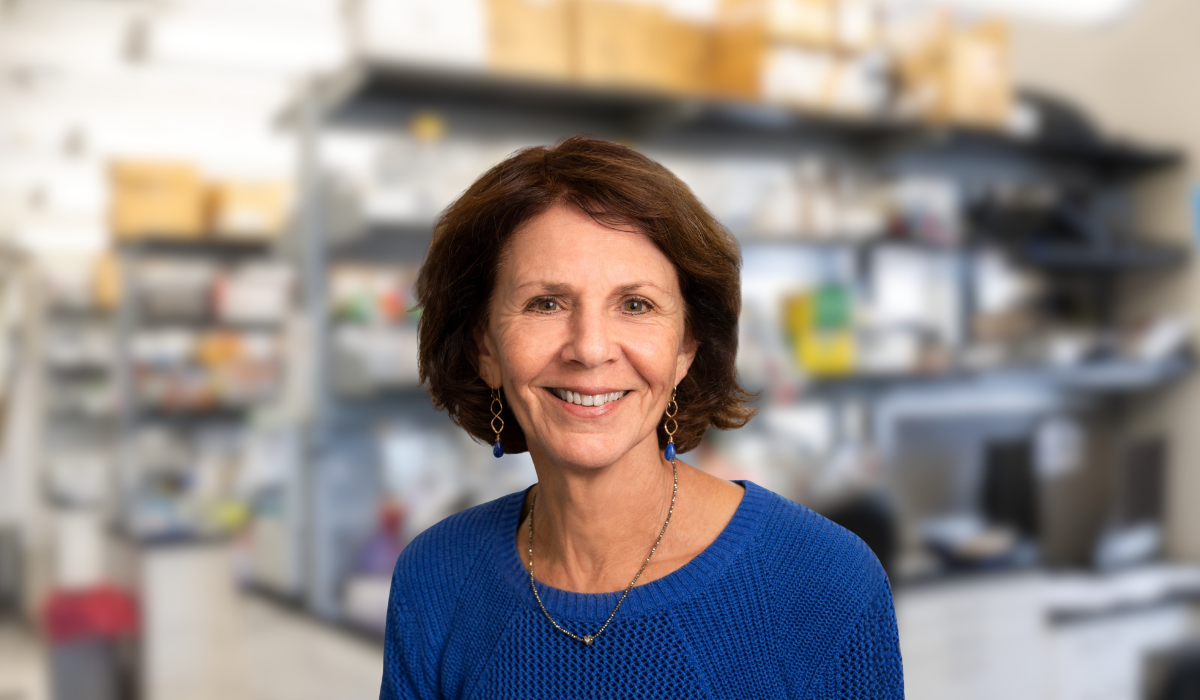
Susan Brenner Morton
Columbia University
Custom antibodies for ALS research
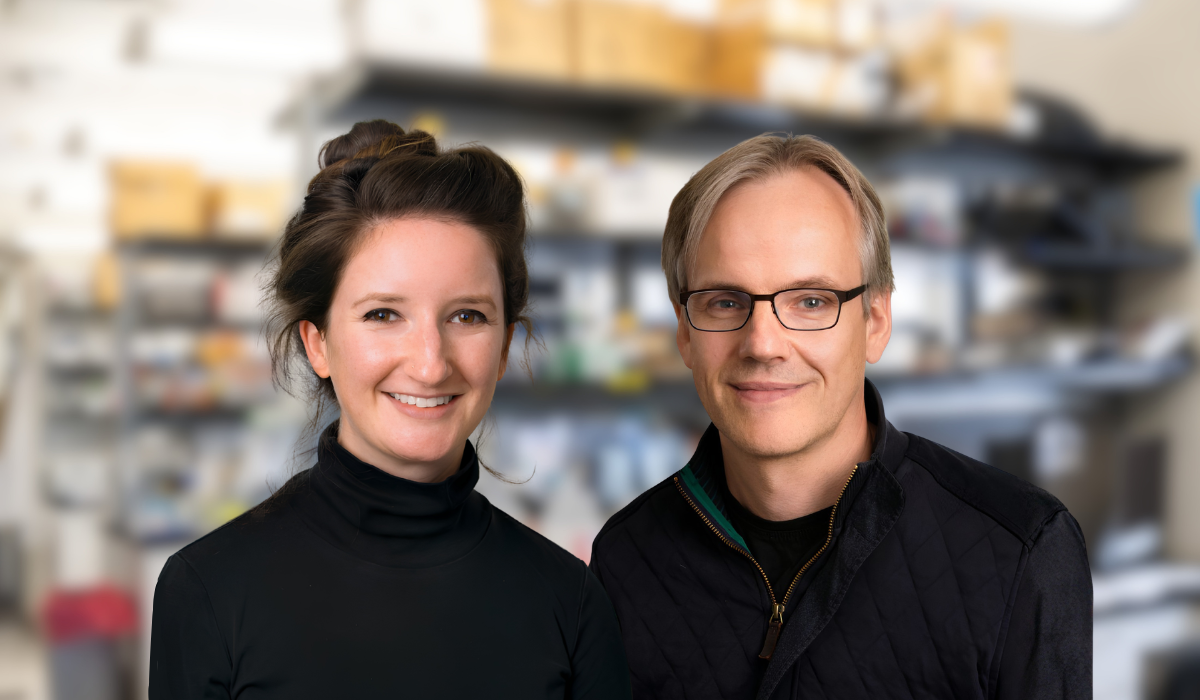
Hynek Wichterle, PhD; Emily Lowry, PhD; George Mentis, PhD
Columbia University
Motor Neuron Rejuvenation: Evaluating neuromuscular junction integrity in rejuvenated SOD1 motor neurons in vivo
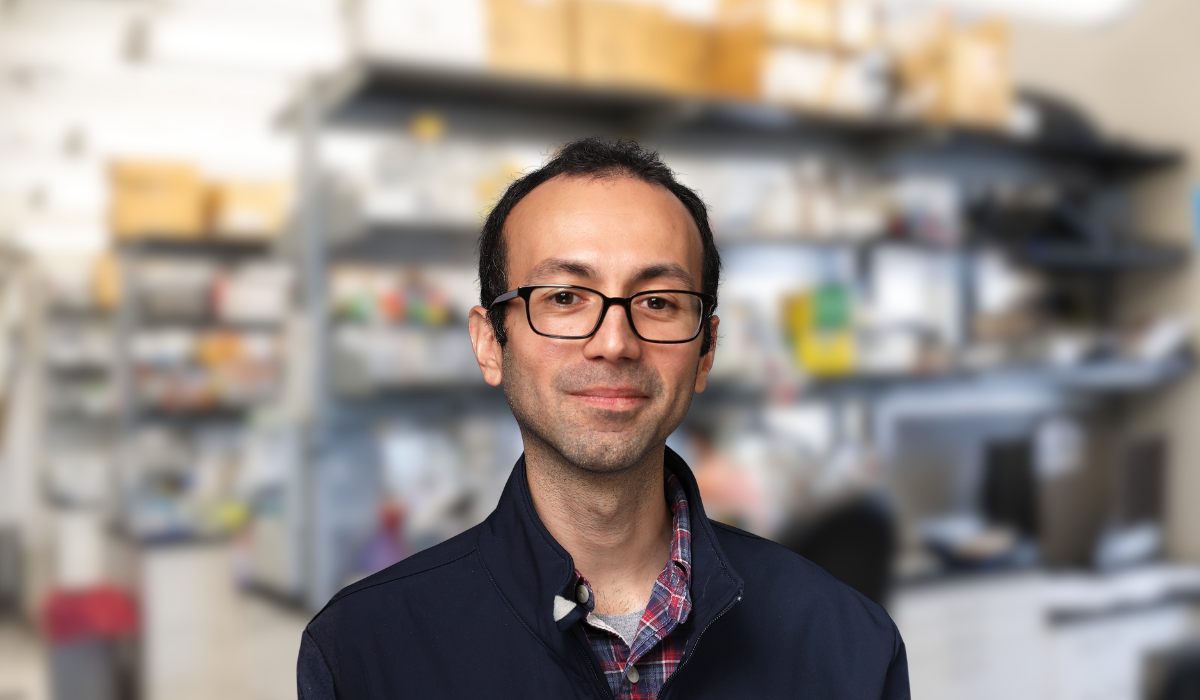
Alejandro Chavez, MD, PhD
UC San Diego
Laboratory-designed molecular scissors to target disease-causing proteins in ALS
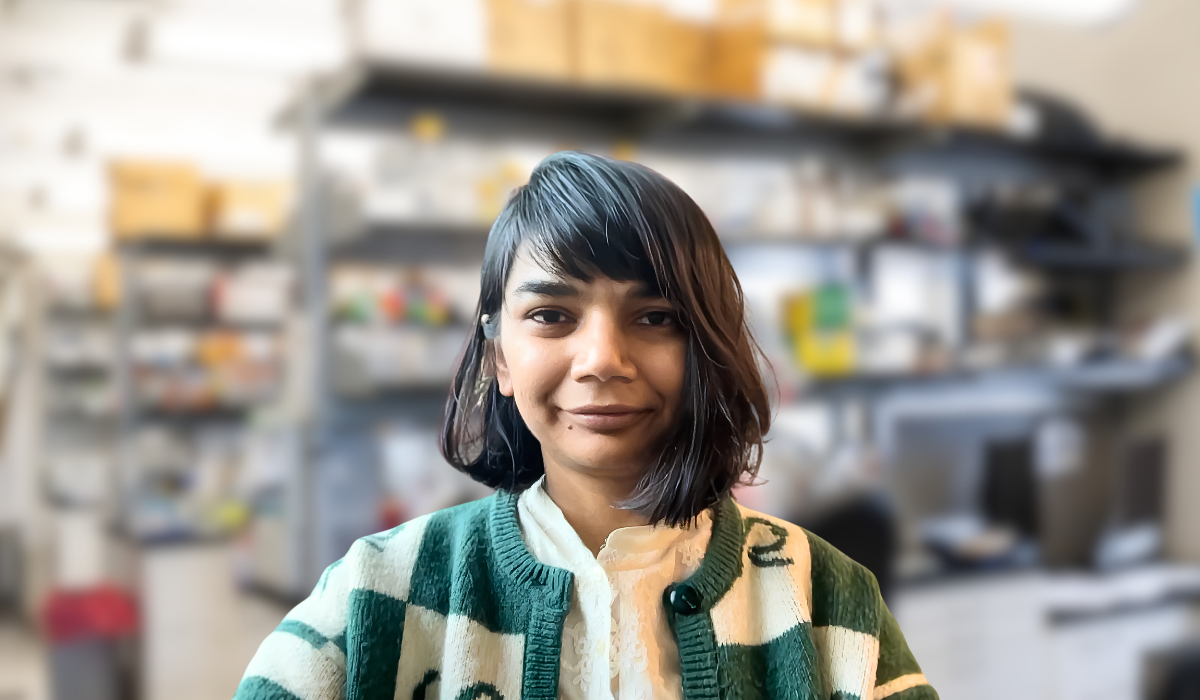
Tulsi Patel, PhD
Rutgers University
Motor Neuron Rejuvenation: Dissecting the specification of adult motor neuron subtypes
Everyone has a role in ALS research.
Meet the people whose lives, stories, and commitment inspire our work.
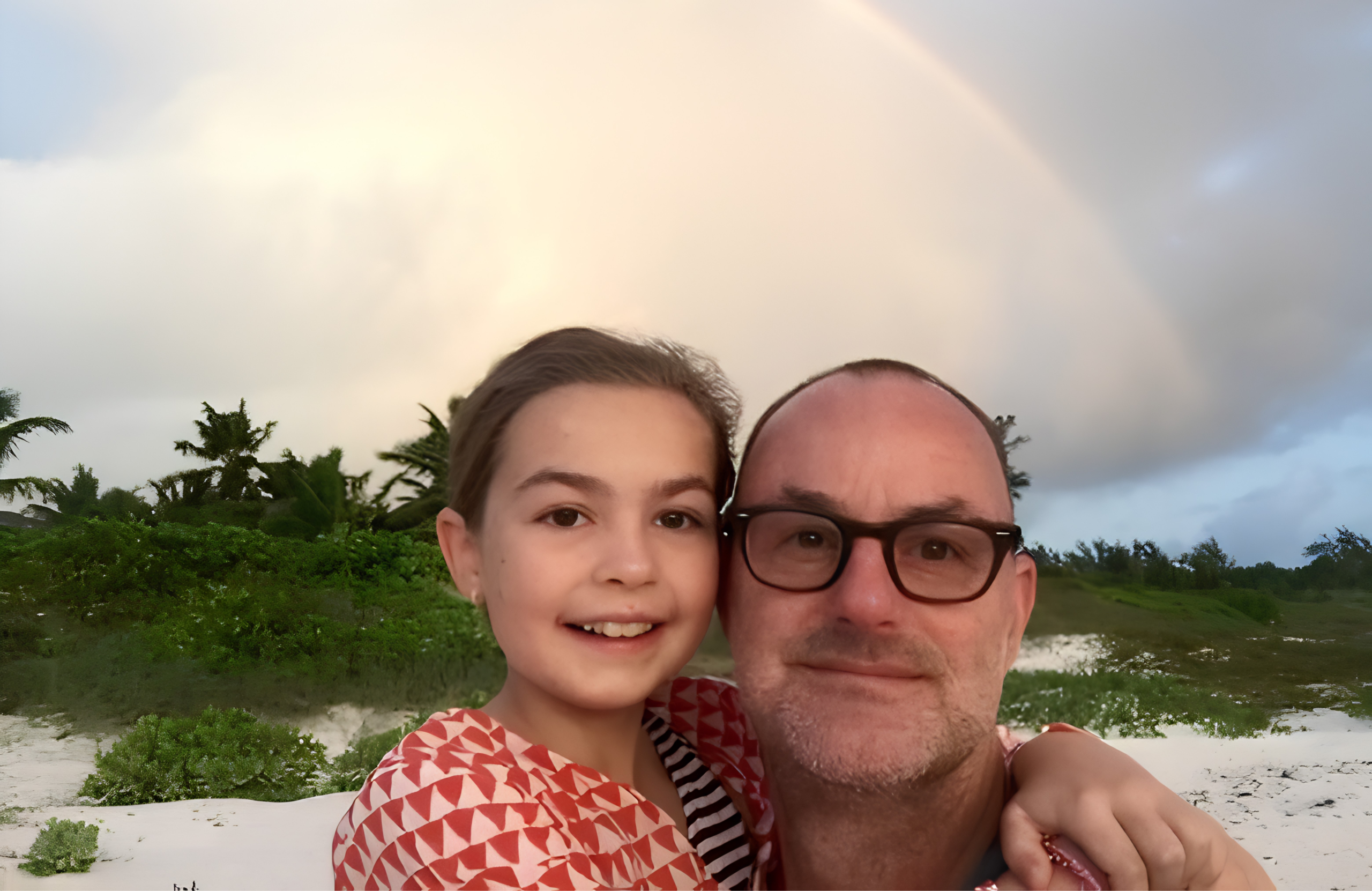
Stella Frowein
It’s been four and a half years since Stella said goodbye to her dad as he fought in the ICU. He was diagnosed with ALS only a year prior and his body began to decline fast. There was no happy ending or hope for remission.
Read Stella's Story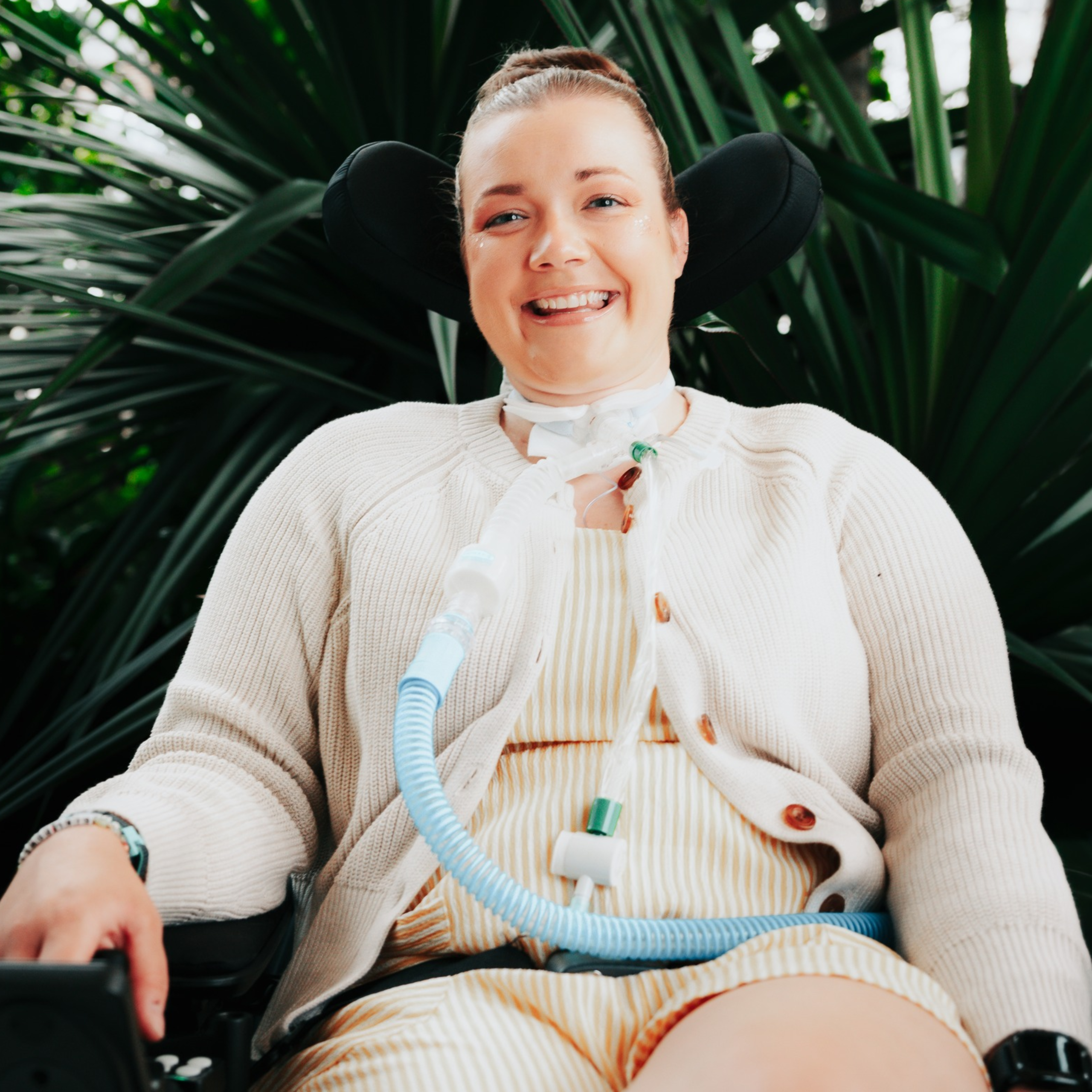
Kim Trautman
When Kim Trautman began experiencing symptoms of ALS, she was just 25 years old. It would take nearly three more years before she received a diagnosis of a rare genetic form of ALS in October 2022, at the age of 28.
Read Kim's Story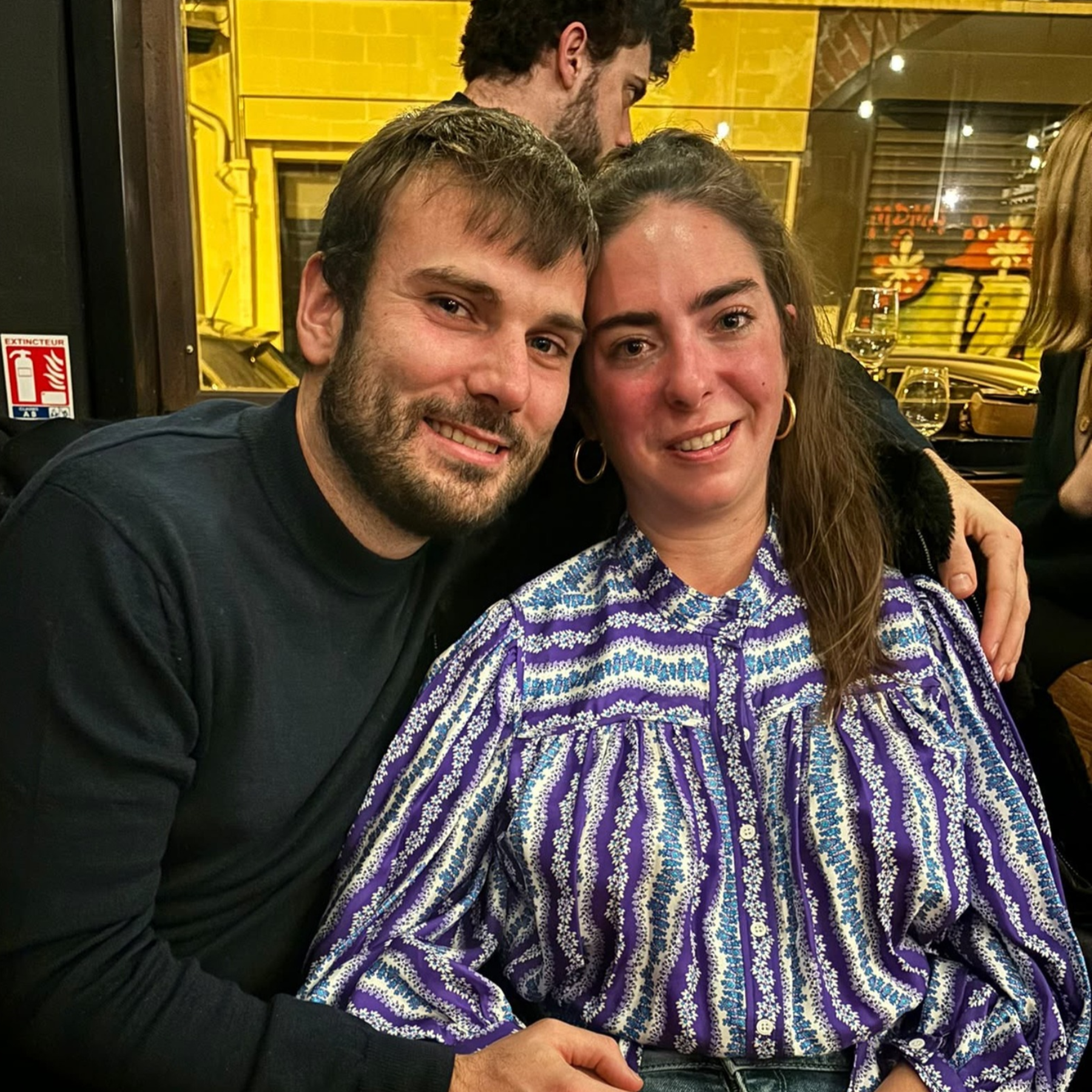
Hugo Taubmann
Hugo Taubmann and his wife, Leah Stavenhagen, were building a life together when Leah was diagnosed with ALS at just 26 years old. Leah founded Her ALS Story, creating a community for young women living with ALS.
Read Hugo's StoryPerson 1 of 3